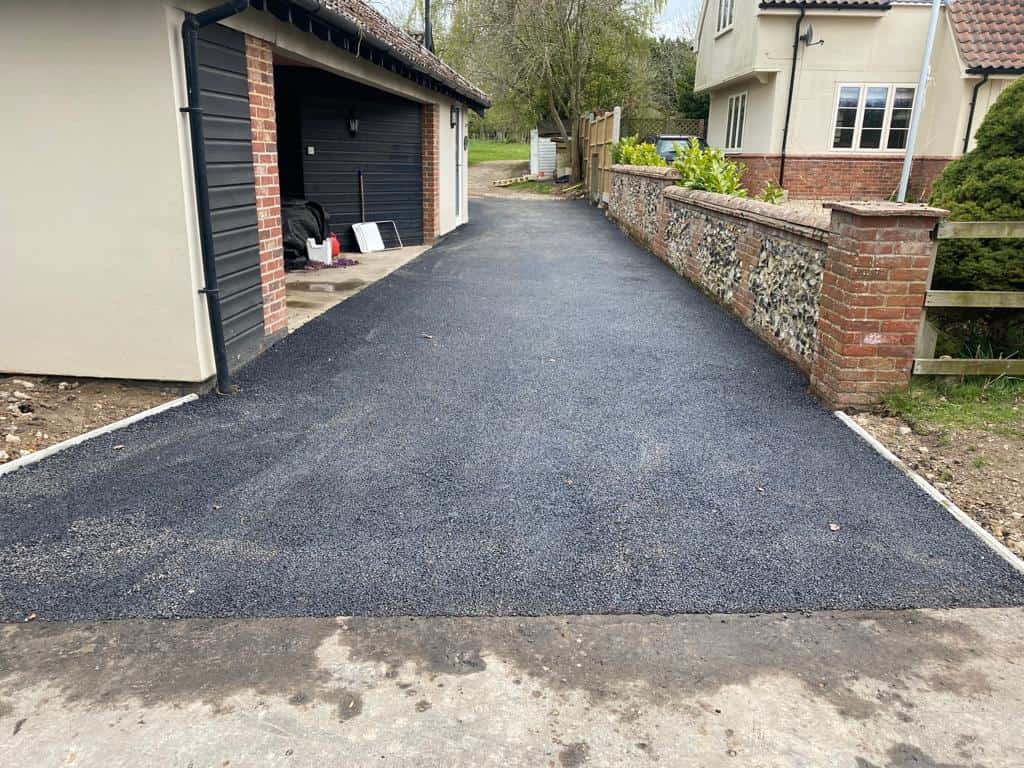
Why a Properly Prepared Sub-Base Is Essential for New-Build Roads
When constructing a new road, the quality of the finished surface depends heavily on the work carried out beneath it. While tarmac or other surfacing materials provide the visible driving surface, the sub-base forms the foundation that supports the entire structure. If this layer is poorly prepared, the road may develop cracks, dips, potholes and drainage problems long before it should.
For new-build roads in Sittingbourne, Kent, proper sub-base preparation is essential for creating a stable surface that can withstand regular vehicle use and changing weather conditions. Understanding its purpose helps explain why this stage should never be overlooked during road construction.
What Is a Road Sub-Base?
The sub-base is a layer of compacted aggregate installed above the prepared ground and beneath the road’s main surfacing layers. It provides structural support by spreading the weight of vehicles across a wider area, reducing the pressure placed directly on the underlying soil.
Its composition and depth depend on factors such as ground conditions, expected traffic levels and the type of road being constructed. Suitable graded aggregate is commonly used because it can be compacted to form a strong, stable layer.
The sub-base also contributes to the overall drainage performance of the road when designed and installed correctly. It must work alongside the prepared ground, surface layers and drainage arrangements to create a dependable construction.
How the Sub-Base Supports the Road Structure
Every vehicle travelling over a road places pressure on the surface. Without a properly constructed foundation, this weight can cause the underlying ground to compress unevenly, leading to movement and surface deterioration.
A well-prepared sub-base helps distribute these loads, supporting the road and reducing the risk of localised settlement.
This is particularly important for new-build roads that may need to accommodate regular traffic, delivery vehicles and heavier commercial use. The foundation must be suitable for the demands placed upon it rather than simply providing a level area for the surfacing material.
Why Ground Preparation Matters Before Installation
Before the sub-base is laid, the existing ground needs to be assessed and prepared. Loose soil, vegetation, organic material and unsuitable ground must be removed or dealt with appropriately.
If the foundation is laid over weak or unstable ground, the sub-base may not perform as intended. Areas of soft soil can compress under traffic, creating uneven support and potentially causing the road surface above to crack or sink.
Depending on the site conditions, preparation may involve excavation, grading, improving the formation or installing suitable ground reinforcement. Addressing these issues before construction helps create a consistent base for the subsequent layers.
The Importance of Correct Compaction
Even high-quality aggregate will not provide reliable support if it is not compacted properly. Compaction reduces voids between the particles, helping the material interlock and form a dense, stable layer.
The process needs to be carried out using suitable equipment and in appropriate layers. Attempting to compact excessive depths of material in one operation can result in inconsistent density, leaving weaker sections within the foundation.
Poor compaction may lead to:
- Uneven settlement beneath the finished road.
- Cracking caused by movement in the supporting layers.
- Depressions where vehicle loads repeatedly pass.
- Premature pothole formation.
- Reduced performance under heavier traffic.
Careful compaction throughout the construction process helps ensure the foundation provides consistent support.
How Sub-Base Preparation Affects Drainage
Water can significantly affect the stability of a road if it is not managed correctly. Rainwater that collects on the surface or enters the underlying layers may weaken certain ground conditions and contribute to movement.
A properly designed road needs suitable gradients and drainage arrangements to direct water away from the surface and supporting structure. The sub-base must be installed as part of this wider drainage plan, rather than treated as an isolated layer.
Inadequate preparation can leave low points where water accumulates or create conditions that allow moisture to affect the road foundation. Addressing drainage during construction helps protect the road’s long-term performance.
Why Sub-Base Quality Influences Road Lifespan
The condition of the foundation has a direct influence on how well the finished road performs over time. A smooth new surface may initially look excellent, but defects beneath it can gradually become visible as traffic and weather place pressure on the structure.
Cracks, depressions and potholes can develop when the supporting layers are unstable or uneven. Once these problems appear, repairs may involve more than simply treating the surface because the underlying cause also needs to be addressed.
Investing proper attention in sub-base preparation helps reduce the likelihood of these issues and supports a more durable road construction.
Why Professional Road Construction Matters
Preparing a sub-base requires an understanding of ground conditions, aggregate selection, excavation depths, compaction and drainage. Each element must be considered in relation to the intended use of the road.
Professional driveway and surfacing specialists can assess the site and plan the groundwork needed to provide a suitable foundation. Careful preparation at this stage helps ensure that the finished surface has the structural support it needs.
For new-build road projects in Sittingbourne, Kent, choosing an experienced contractor can help avoid problems associated with inadequate groundwork and poor installation.
Conclusion
A properly prepared sub-base is essential for creating a stable, durable new-build road. It distributes vehicle loads, supports the surfacing layers and contributes to effective drainage. Without suitable ground preparation and thorough compaction, even a well-finished surface may deteriorate prematurely.
Sittingbourne Driveways provides professional driveway and surfacing services in Sittingbourne, Kent. If you are planning a new road or surfacing project and want to ensure the groundwork is completed correctly, contact Sittingbourne Driveways to discuss your requirements.
Call us on: 01795 905 087
Click here to find out more about Sittingbourne Driveways
Click here to complete our contact form and see how we can help with your driveways.